Many homeowners rely on private wells as their primary water source. While well water can provide clean, dependable water for years, it often requires ongoing monitoring and treatment to maintain quality. Unlike municipal water systems, private wells are the responsibility of the homeowner, which means water quality can change over time without warning.
Issues such as hard water, sediment, iron, sulfur odors, bacteria, and other contaminants can affect both your family’s water quality and the condition of your home’s plumbing and appliances. Fortunately, there are several steps homeowners can take to improve their well water and enjoy cleaner, safer water throughout the home.
Start with a Professional Water Test
The first step in improving well water is understanding exactly what is in it. Water that appears clean and tastes normal can still contain minerals, contaminants, or bacteria that may affect its quality.
A comprehensive water test can identify issues such as:
- Hardness minerals
- Iron and manganese
- Sulfur
- Bacteria
- Nitrates
- pH imbalances
- Sediment
- Other contaminants
Without testing, homeowners may spend money on solutions that fail to address the actual problem.
Address Hard Water Problems
Hard water is one of the most common issues affecting well water systems. Hard water contains elevated levels of calcium and magnesium that can create scale buildup throughout your home.
Signs of hard water include:
- White spots on dishes and glassware
- Soap scum buildup
- Dry skin and hair
- Reduced appliance efficiency
- Scale buildup on faucets and fixtures
Over time, hard water can reduce the lifespan of water heaters, dishwashers, washing machines, and plumbing systems. Identifying and treating hard water can help protect your home while improving water quality.
Remove Iron and Manganese
Iron and manganese are frequently found in well water. While they are not always harmful to health, they can create significant nuisance problems throughout the home.
Excess iron may cause:
- Rust-colored stains on sinks and tubs
- Discolored laundry
- Metallic tastes
- Fixture staining
Manganese can create dark staining and affect the taste of water. Specialized filtration systems can often reduce or eliminate these issues, helping restore cleaner water throughout the home.
Eliminate Sulfur Odors
If your water smells like rotten eggs, sulfur may be the culprit. Hydrogen sulfide gas is a common well water issue that can create unpleasant odors and make water less enjoyable to use.
While sulfur odors are often more of a nuisance than a health concern, they can make drinking, cooking, bathing, and washing less pleasant.
Fortunately, treatment systems designed specifically for sulfur removal can significantly improve water quality and eliminate unwanted odors.
Protect Against Bacteria and Contamination
Private wells can sometimes become vulnerable to bacterial contamination due to surface runoff, flooding, damaged well caps, or nearby environmental conditions.
Routine testing for bacteria is an important part of maintaining a safe well water supply. Homeowners should also inspect their wells periodically and ensure that the surrounding area is properly maintained.
Keeping contaminants away from the wellhead can help reduce the risk of water quality problems developing over time.
Consider a Whole Home Well Water Filtration System
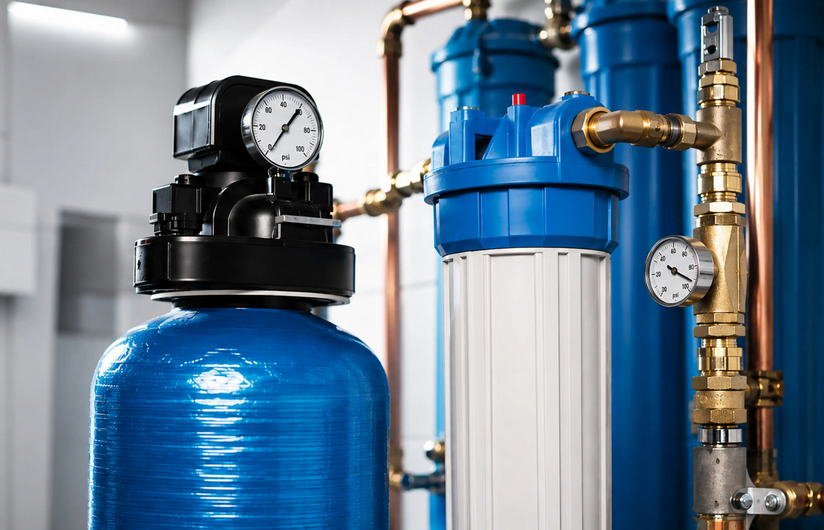
Many homeowners discover that multiple water quality issues exist at the same time. Rather than treating water at individual faucets, a well water filtration system can provide treatment for the entire home.
A whole-home solution treats water as it enters the house, allowing cleaner water to flow to every faucet, shower, appliance, and plumbing fixture.
Depending on the specific water conditions, these systems can help reduce sediment, iron, sulfur, hardness minerals, and other contaminants. Benefits often include:
- Improved water taste and odor
- Cleaner dishes and laundry
- Reduced fixture staining
- Longer appliance lifespan
- Better protection for plumbing systems
- Improved overall water quality throughout the home
Because every well is different, the best filtration solution should be selected based on professional water testing results.
Maintain Your Water Treatment Equipment
Installing a filtration or treatment system is only part of the solution. Regular maintenance is necessary to ensure the system continues performing properly.
Filters, media tanks, UV systems, and softeners require periodic servicing and component replacement. Following the manufacturer’s maintenance schedule helps ensure consistent water quality and system reliability.
Neglecting maintenance can reduce effectiveness and allow water quality issues to return.
Monitor Your Plumbing and Appliances
Your home’s plumbing system often provides clues about water quality. Excessive staining, mineral buildup, appliance failures, or declining water pressure may indicate underlying water issues.
Addressing these concerns early can help prevent larger repairs and extend the life of expensive household equipment.
Improved water quality often results in fewer plumbing problems and lower maintenance costs over time.
Inspect Your Well Regularly
The condition of your well itself plays a major role in water quality. Periodic inspections can help identify damaged well caps, cracked casings, drainage issues, or other concerns that could allow contaminants to enter the system.
Read More: Portable Power Station Manufacturer Insights: Powering Modern Construction Projects
Routine inspections provide an opportunity to catch small problems before they become expensive repairs or water quality emergencies.
Final Thoughts
Improving well water is one of the best investments homeowners can make in their property and quality of life. Clean water benefits everything from drinking and cooking to bathing, laundry, plumbing, and appliance performance.
By testing your water regularly, addressing specific water quality concerns, maintaining your well properly, and considering an appropriate filtration solution, you can enjoy safer, cleaner, and more reliable water throughout your home. Taking a proactive approach today can help protect both your family’s health and your home’s valuable infrastructure for years to come.